Two DTC Brands, Same 2.4 ROAS, Why One Makes 5x More
It was my birthday yesterday, yaay! I turned 31 (I’m getting old I know), and for that reason, I’m sharing something I rarely talk about publicly - the real, unfiltered numbers behind DTC brands that everyone else keeps secret.
Most “experts” share surface-level metrics that sound impressive but mean nothing without context. Today, I’m pulling back the curtain on how DTC brands actually operate at scale.
The $6.2M vs $1.2M Challenge
I’m about to show you two real businesses with identical ROAS numbers. One is a goldmine, the other is barely surviving.
Business #1:
- TOTAL SALES: $6.2M
- TOTAL ADS SPEND: $2.6M
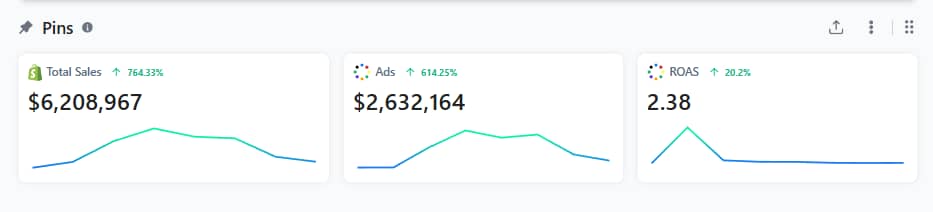
- ROAS: 2.4
- PROFITS: ?
Business #2:
- TOTAL SALES: $1.2M
- TOTAL ADS SPEND: $511K
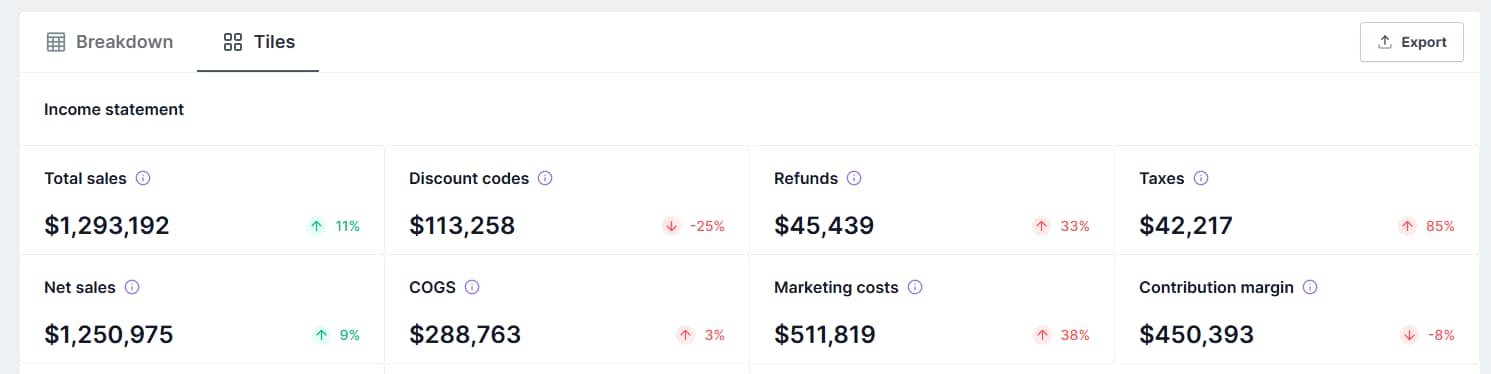
- ROAS: 2.4
- PROFITS: ?
Which would you rather own?
Before you answer, here’s what most people miss: These numbers tell you almost nothing about which business you’d actually want to work with (or even own…)
Without knowing the niche, AOV, product nature, contribution margins, fulfillment costs, and operational expenses… you’re essentially gambling with your decision.
Why I Started Digging Deeper Into Clients Numbers
Too many times I’ve taken on “successful” clients with impressive top-line revenue, only to discover they’re one bad month away from collapse. Or worse - they blame marketing performance when the real problem is their business model. This is exactly why most marketing advice fails - it ignores the fundamental business mechanics that determine whether a strategy will actually work. (If you’ve seen founders burn cash without understanding their numbers, you’ll relate to how a brand burned $300K in 6 months.)
The Framework That I Follow
After working with dozens of different brands, I’ve developed a systematic approach to evaluating any client opportunity. Here’s the exact framework I use:
First, I Categorize Their Stage: 0-1 Stage: Early DTC or startups without product-market fit yet. Usually burning through cash while the founder dreams about scaling “the next big thing.” High energy, low systems, lots of assumptions about their market. 1-10 Stage: Some traction ($10-20k+ monthly revenue), proven demand, but low operational overhead. These are the businesses with real potential.
My 5-Step:
-
Marketing Audit I dig into every campaign they’ve run, every test they’ve executed, every dollar they’ve spent using my 3-layer Meta audit framework. Most founders think they’ve “tried everything” - but usually they’ve tried nothing. I’m looking for structural changes that could unlock the next level of growth.
-
ICP Reality Check This is where it gets uncomfortable. I challenge every assumption the founder has about their ideal customer. Most founders think they know their ICP based on gut feeling or limited data. I use actual customer data, purchase behavior, and deep research to find out who’s really buying (and why).
-
Funnel Analysis Is their conversion funnel another generic rip-off, or something unique that gives them a competitive advantage? Can I build something that changes their business trajectory quickly?
-
Ad Strategy Deep Dive How much are they actually testing? What’s their budget allocation for creative testing look like? Who’s creating their ad scripts and how are they coming up with new angles? (I tested 3,579 ads to find 3 winners - that’s the reality of testing at scale.) Most brands are stuck in unprofitable creative loops that kill their scaling potential and gives them no learnings.
-
Retention Infrastructure Do they have proper email sequences in place? If not, why not? Can we quickly implement sunset flows, win-back campaigns, or customer journey automation that immediately impacts AOV/LTV?
The Truth About Those Two Businesses
Remember the two businesses from the beginning? Here’s what the ROAS numbers didn’t tell you:
Business #1 was a seasonal gifting business. The $6.2M sounds impressive until you realize:
- Only 7% profit margins = ~$400k
- Requires a massive team to manage operations and ads
- Constant inventory headaches
- Owner working 60-hour weeks during peak season
- One bad Q4 away from disaster
Business #2 was in home goods. The $1.2M might seem “small” but:
- 30% profit margins = ~$320k
- Run by just 2 people
- Mostly automated with AI and smart systems
- Steady year-round sales
- Owner has actual work-life balance
The $6.2M business makes barely $80k more in profit while requiring 10x the effort and 50x the stress. Here’s what separates businesses that break through revenue plateaus from those that stay stuck: It’s not about having better ads, bigger budgets, or newer tools. It’s about understanding the complete business mechanics - the context behind every number. (And avoiding mistakes like the founder who burned $300K in just 6 months by having too many advisors and zero execution.)
Want to run these numbers yourself? Try my free DTC unit economics calculator, it’ll instantly tell you if your margins are healthy.
Want This Diagnostic for Your Business?
If you want me to run this exact 5-step diagnostic on your business, I’ll audit your current setup, challenge your assumptions, and identify the structural changes that could unlock your next growth phase.
No generic advice, no cookie-cutter solutions. Just a brutally honest assessment of where you are and the specific steps to get where you want to be.
Your Turn
Let me know in the replies - which business would you choose (#1 or #2) and what additional information would you need to make that decision confidently?
Related Letters
If these numbers opened your eyes, read these cautionary tales:
- How to Burn Through $300K in 6 Months - What happens when you hire 12 agencies without understanding these economics
- A Founder Just Got Sued for $50K for Not Paying a Scammer - Why execution matters more than advice in DTC
- Free DTC Unit Economics Calculator - Calculate your own CAC payback, LTV:CAC, and contribution margin
More: Meta ads audit approach | DTC growth strategies
I’m genuinely curious to see how you think through business evaluation and client collab. Also, what’s your biggest question about marketing or scaling through paid ads? Hit reply and let me know - I read every email and may break down your issue in the next one.
-Kris

Ready to break through your plateau?
Join 50+ DTC brands that have scaled past $100K/mo with proven systems